
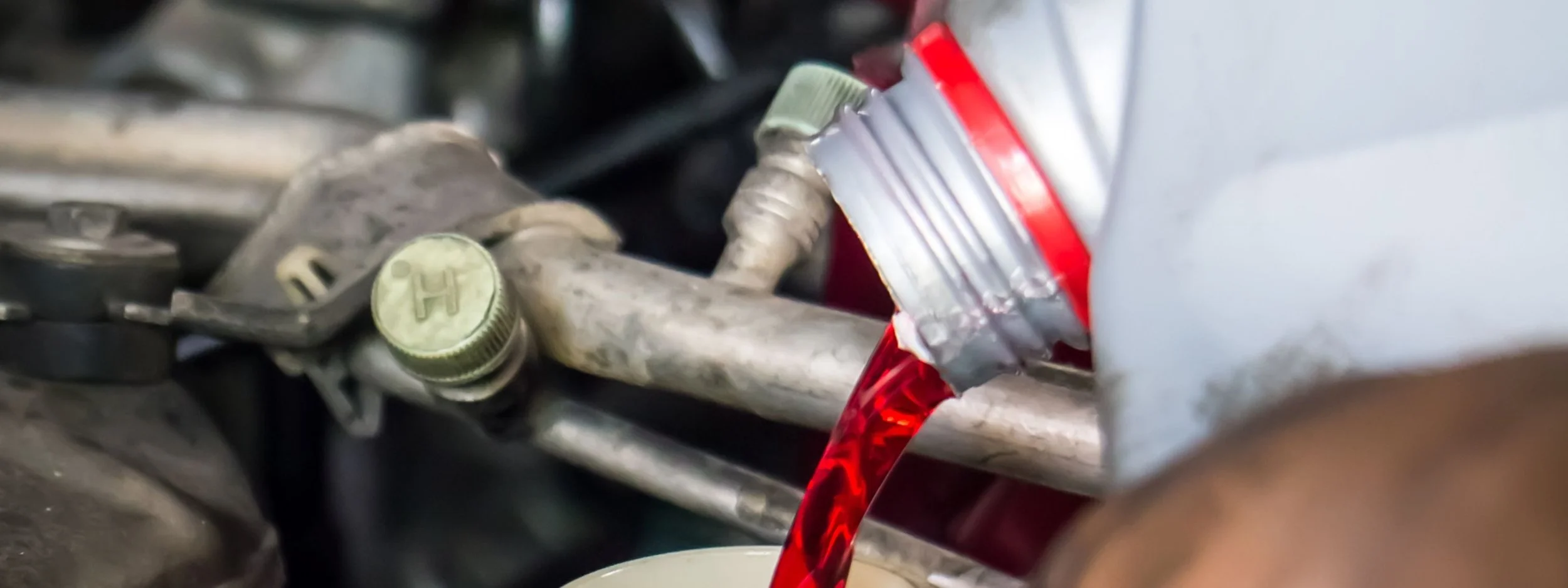
Transmission Fluid Exchange
Protect Your Transmission with Professional Fluid Exchange
Your transmission relies on clean, properly formulated fluid to lubricate internal components, control operating temperature, and help ensure smooth gear changes. Over time, transmission fluid can break down, become contaminated, and lose some of its protective properties. Regular fluid service can help maintain transmission performance and reduce unnecessary wear.
At Waterside Auto Repair, we provide professional transmission fluid exchange services for cars, SUVs, trucks, and many major vehicle makes and models. Our technicians inspect your transmission fluid and follow the manufacturer's service requirements when performing the exchange. Whether your vehicle is due for routine maintenance or you've noticed changes in shifting performance, we'll help determine the appropriate transmission service for your vehicle.
Signs Your Transmission Fluid May Need Service
Delayed gear engagement
Hard or rough shifting
Transmission slipping
Hesitation when accelerating
Shuddering during gear changes
Unusual transmission noises
Dark or discolored transmission fluid
Burnt smell coming from the transmission
Transmission fluid leaking underneath the vehicle
Transmission temperature warning
Vehicle has reached the manufacturer's recommended service interval
Important: These symptoms can also indicate mechanical transmission problems. A fluid exchange should not be used as a substitute for proper diagnosis when a transmission is already malfunctioning.
Our Transmission Fluid Exchange Process
1. Transmission Inspection
We begin by evaluating the transmission and looking for visible signs of problems, including: Fluid leaks, Damaged lines, Pan or gasket leaks, Transmission fluid condition, Signs of overheating, and abnormal shifting concerns

2. Fluid Condition Check
We inspect the existing transmission fluid for: Color, Odor, Contamination, Metal particles, Signs of overheating, Fluid level. The fluid's condition can provide useful information about the transmission's overall condition.
3. Remove the Old Transmission Fluid
We remove the existing transmission fluid using the appropriate procedure for your specific vehicle. The exact process varies by transmission design and manufacturer recommendations.
4. Transmission Filter Service
When applicable, we inspect or replace the transmission filter according to the vehicle manufacturer's maintenance procedure.
The filter helps prevent contaminants from circulating through the transmission.
5. Install Fresh Transmission Fluid
We refill the transmission with fluid that meets the manufacturer's required specifications.
Using the correct fluid is critical because different transmissions require different fluid formulations.
6. Check Fluid Level
Transmission fluid levels must be checked using the manufacturer-specified procedure and operating conditions.
Our technicians verify the fluid level and make sure the system is properly filled.
7. Final Inspection
After the service, we check for: Fluid leaks, Proper fluid level, Transmission operation, shifting performance, Abnormal noises, and proper engagement.
FAQ
-
A transmission fluid exchange replaces old transmission fluid with fresh fluid that meets the vehicle manufacturer's specifications. Depending on the vehicle, the service may also include replacing or inspecting the transmission filter.
-
The recommended interval varies significantly by vehicle and transmission. Some manufacturers specify service intervals, while others consider the fluid "lifetime" under certain conditions.
Your owner's manual is the best starting point for determining the recommended maintenance schedule.
-
Over time, transmission fluid can break down and become contaminated. This can reduce its ability to lubricate and control heat, potentially contributing to increased wear and transmission problems.
-
Transmission fluid color varies by formulation, so color alone is not enough to determine its condition. Fluid that is excessively dark, contaminated, or has a burnt odor may indicate that inspection or service is needed.
-
The terms are sometimes used interchangeably, but they can refer to different procedures.
A fluid exchange replaces transmission fluid according to the appropriate service procedure. A machine-assisted flush may use a different process to circulate fluid through the system.
Waterside Auto Repair should follow the procedure recommended for the specific vehicle rather than applying the same process to every transmission.
-
It depends on the problem. If the transmission is slipping, overheating, leaking, or shifting abnormally, the vehicle should be diagnosed first. Fluid service may be appropriate in some cases, but it is not a guaranteed repair for an existing transmission failure.
-
If degraded or contaminated fluid is contributing to poor transmission performance, replacing it with the correct fluid may improve shifting. However, fluid service cannot repair worn or damaged internal transmission components.