
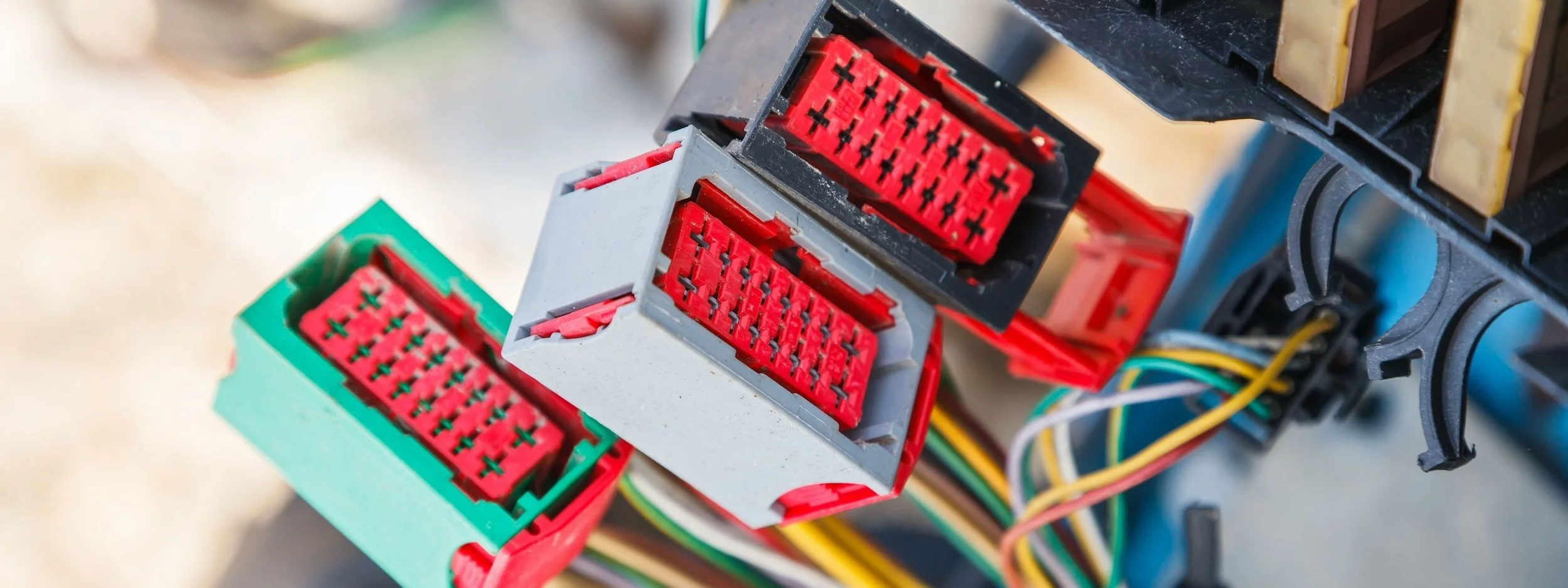
Electrical System
Keep Your Vehicle's Electrical System Working Properly
Modern vehicles rely on complex electrical systems to operate everything from the engine and starting system to lights, climate controls, safety features, and electronic accessories. When an electrical component or connection fails, the symptoms can range from a vehicle that won't start to flickering lights, dead batteries, warning messages, or malfunctioning accessories.
At Waterside Auto Repair, we provide professional automotive electrical diagnosis and repair for cars, SUVs, and trucks. Our technicians use systematic testing to identify electrical faults rather than replacing parts based only on symptoms. We inspect batteries, charging systems, wiring, fuses, connections, starting circuits, and other electrical components to determine the source of the problem. Whether you're dealing with intermittent electrical issues or a vehicle that won't start, we'll help identify the cause and recommend the appropriate repair.
Signs Your Vehicle May Have an Electrical Problem
Dashboard lights flicker
Electrical accessories stop working
Power windows operate slowly or intermittently
Power locks don't work properly
Radio or infotainment system shuts off
Vehicle won't start
Slow or weak engine cranking
Battery repeatedly goes dead
Headlights appear dim
Interior lights flicker
Warning lights appear unexpectedly
Burning electrical smell
Blown fuses
Electrical components work intermittently
Vehicle loses electrical power while driving
Don't Ignore Intermittent Electrical Problems: An electrical problem that comes and goes can be difficult to diagnose, but that doesn't mean it should be ignored. Intermittent faults can sometimes become complete failures, leaving you with a vehicle that won't start or an important electrical system that stops working.
Benefits of Professional Steering Service
Proper steering-system maintenance can help:
✔ Maintain predictable steering response
✔ Improve vehicle control
✔ Identify worn components early
✔ Address steering fluid leaks
✔ Reduce excessive steering play
✔ Maintain proper handling
✔ Support proper wheel alignment
✔ Improve driving confidence
✔ Reduce the risk of unexpected steering problems
Related Auto Services
🏁
Related Auto Services 🏁
These should remain separate individual service pages:
FAQ
-
Auto electrical repair can include diagnosing and repairing problems with wiring, fuses, relays, battery connections, charging systems, starting systems, electrical accessories, and other vehicle electrical components.
-
A no-start condition can have many causes, including a weak battery, a starter problem, a charging-system issue, a fuel or ignition problem, a wiring fault, or an electronic control issue.
Proper diagnosis is necessary to determine the cause.
-
Repeated battery failures can result from an aging battery, a charging system problem, a parasitic electrical drain, poor battery connections, or another electrical fault.
Replacing the battery alone may not solve the underlying problem.
-
Flickering lights can be related to battery voltage, alternator output, wiring, grounds, connections, or other electrical components.
An inspection can determine the source.
-
A failed fuse, relay, wiring connection, switch, motor, control module, or other electrical component can cause an accessory to stop working.
-
Yes. Intermittent electrical problems can be harder to reproduce, but technicians can use symptoms, diagnostic information, circuit testing, and visual inspection to identify the source.
-
Both can produce similar symptoms. A battery test combined with charging-system testing can help determine whether the battery, alternator, connections, or another component is responsible.
-
A burning electrical smell can indicate overheating wiring, connectors, electrical components, or other problems.
Because electrical overheating can present a safety risk, the vehicle should be inspected promptly.