
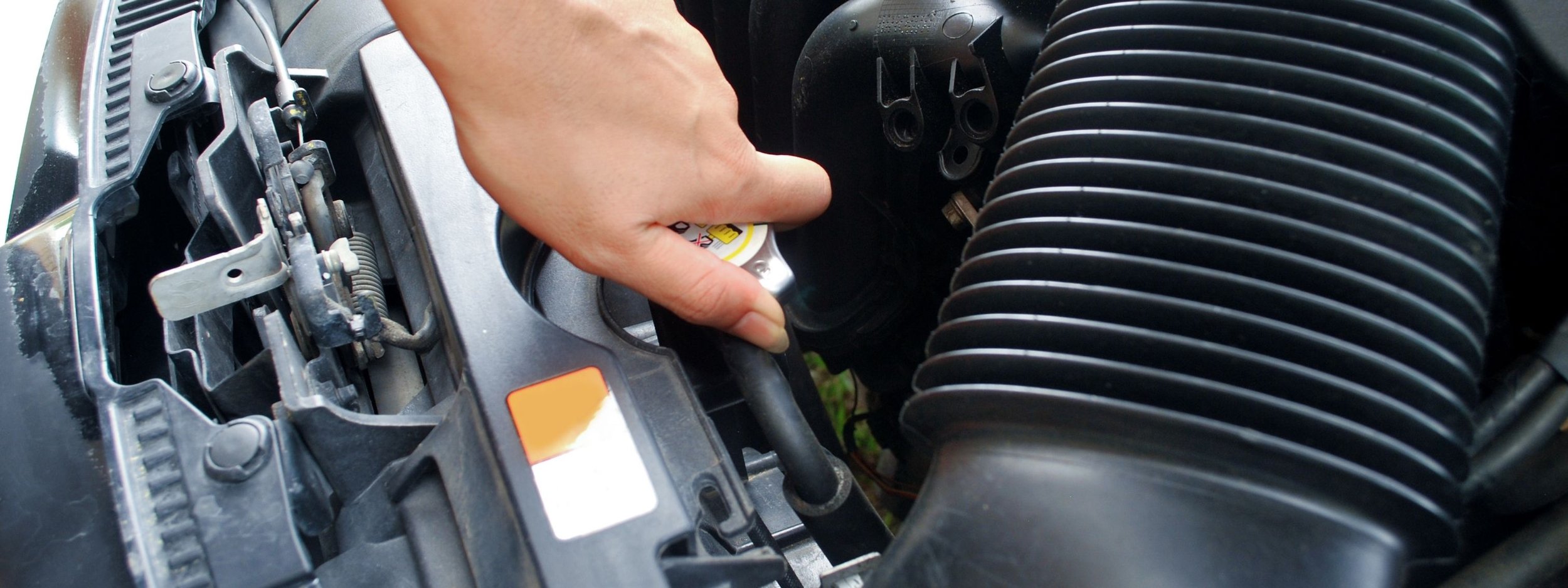
Engine Cooling System
Keep Your Engine Running at the Right Temperature
Your engine's cooling system plays a critical role in preventing overheating and maintaining proper operating temperature. The system circulates coolant through the engine and uses components such as the radiator, thermostat, water pump, cooling fans, hoses, and related parts to manage engine temperature. When one of these components fails, you may notice overheating, coolant leaks, temperature fluctuations, or warning lights.
At Waterside Auto Repair, we provide professional engine cooling system inspection, diagnosis, maintenance, and repair for cars, SUVs, and trucks. Our technicians evaluate the cooling system as a whole to identify the problem source before recommending repairs. Whether your vehicle is overheating, losing coolant, or showing unusual temperature changes, we'll help determine the cause and explain the appropriate repair options.
Signs Your Engine Cooling System May Need Service
Engine overheating
Temperature gauge reading higher than normal
Temperature gauge fluctuating
Coolant warning light
Coolant leaking underneath the vehicle
Radiator or cooling fan noises
Poor heater performance
Visible coolant residue around hoses or components
Check Engine Light
Reduced engine performance caused by overheating
Low coolant level
Coolant smell
Steam coming from under the hood
Coolant reservoir repeatedly becoming empty
Engine running hotter than usual
Stop If Your Engine Is Overheating: Continuing to drive an overheating vehicle can cause serious engine damage. If the temperature gauge reaches the hot zone, you see steam, or a coolant warning indicates a serious problem, pull over safely and have the vehicle inspected instead of continuing to drive.
Benefits of Proper Cooling System Maintenance
Maintaining the cooling system can help:
✔ Prevent engine overheating
✔ Protect internal engine components
✔ Identify coolant leaks early
✔ Maintain proper engine operating temperature
✔ Reduce the risk of major engine damage
✔ Maintain heater performance
✔ Protect cooling-system components
✔ Support reliable vehicle operation
✔ Prevent unexpected breakdowns
Related Auto Services
🏁
Related Auto Services 🏁
FAQ
-
The cooling system controls engine temperature by circulating coolant through the engine and moving heat away through components such as the radiator, thermostat, water pump, hoses, and cooling fans.
-
Overheating can have many causes, including low coolant, leaks, thermostat problems, radiator problems, water pump failure, cooling fan problems, damaged hoses, or other engine-related issues.
A proper diagnosis is necessary to identify the cause.
-
It is generally not advisable to continue driving an overheating vehicle. Continued operation at excessive temperature can cause serious engine damage.
Safely pull over and have the vehicle inspected.
-
A low coolant level can be caused by a leak, evaporation under certain conditions, improper filling, or another cooling-system problem.
If coolant repeatedly needs to be added, the cause should be investigated.
-
Temperature fluctuations can be caused by thermostat problems, coolant-level issues, air in the cooling system, circulation problems, cooling fan operation, or other cooling-system concerns.
-
A sweet smell may indicate coolant is leaking or being released somewhere in the cooling system.
If you notice a coolant odor, have the vehicle inspected before the problem becomes more serious.
-
Cooling system repair addresses problems with components such as the radiator, thermostat, water pump, hoses, cooling fans, and leaks.
A Radiator Flush is a maintenance service designed to remove old coolant and contaminants and replace the coolant according to the vehicle's requirements.
They are separate services.
-
Yes. A thermostat that doesn't operate correctly can interfere with coolant circulation and contribute to overheating or abnormal engine temperature.