
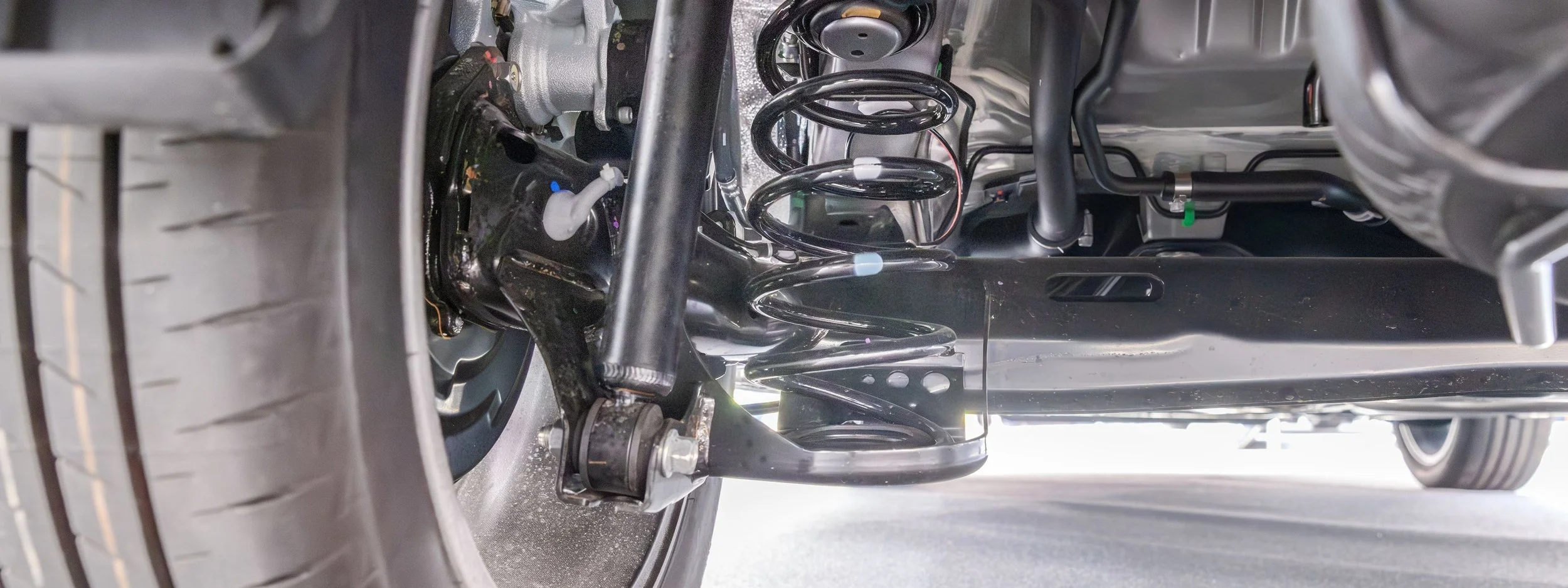
Suspension System
Professional Suspension Service for a Smoother, Safer Ride
Your vehicle's suspension system does much more than provide a comfortable ride. Shocks, struts, springs, control arms, bushings, ball joints, and other suspension components keep the tires in contact with the road and support vehicle stability, handling, and braking performance. When suspension components wear or get damaged, you may notice excessive bouncing, uneven tire wear, steering changes, clunking noises, or a vehicle that feels unstable.
At Waterside Auto Repair, we provide professional suspension inspection, diagnostics, and repair for cars, SUVs, and trucks. Our technicians evaluate the suspension system to identify worn or damaged components and explain the appropriate repair options. Whether your vehicle rides rough, pulls to one side, makes unusual noises, or has uneven tire wear, we'll help determine what's causing the problem.
Signs Your Vehicle May Need Suspension Repair
Front end dips when braking
Rear end squats during acceleration
Clunking or knocking noises
Squeaking from the suspension
Uneven tire wear
Excessive bouncing when driving over a speed bump
Rough or unusually uncomfortable ride
Vehicle pulls or drifts to one side
Vehicle feels unstable during turns
Excessive body roll when cornering
Vehicle sits lower on one side
Steering feels loose or unusual
Excessive vibration
Shocks or struts showing signs of leakage
Vehicle feels difficult to control over bumps
Don't Ignore Suspension Problems: A worn suspension component can affect more than ride comfort. Suspension problems may influence tire wear, steering response, braking behavior, and overall vehicle stability. If your vehicle suddenly handles differently or begins making unusual suspension noises, have it inspected.
Benefits of Proper Suspension Service
Maintaining your suspension system can help:
✔ Maintain better ride control
✔ Improve handling
✔ Keep tires in proper contact with the road
✔ Reduce uneven tire wear
✔ Maintain steering stability
✔ Improve ride comfort
✔ Identify worn components early
✔ Support proper wheel alignment
✔ Reduce the risk of unexpected suspension failure
Related Auto Services
🏁
Related Auto Services 🏁
FAQ
-
The suspension system helps support the vehicle, absorb road impacts, maintain tire contact with the road, and contribute to handling and stability.
It includes components such as shocks, struts, springs, control arms, bushings, ball joints, and related parts.
-
Common signs include excessive bouncing, a rough ride, clunking noises, uneven tire wear, pulling or drifting, excessive body roll, and a vehicle that feels unstable over bumps or during turns.
-
Worn shocks or struts may cause excessive bouncing, poor ride control, body movement during turns, or unusual tire wear.
A professional inspection can determine their condition.
-
Clunking can be caused by worn suspension components such as bushings, ball joints, stabilizer links, control arms, or other components.
An inspection is necessary to identify the source.
-
Yes. Worn or damaged suspension components can contribute to abnormal tire wear.
However, uneven wear can also result from alignment or tire-related issues.
-
Yes. Certain worn or damaged suspension components can affect wheel positioning and alignment.
If suspension repairs are performed, an alignment may be recommended depending on the components involved.
-
There is no single replacement interval for every vehicle.
Suspension components wear according to mileage, driving conditions, road quality, vehicle weight, and component condition. They should be inspected when symptoms develop or during appropriate vehicle inspections.
-
Not necessarily.
A rough ride can also be related to tires, tire pressure, wheel problems, alignment, or other vehicle components.
A proper inspection can help determine the cause.
-
Yes. Suspension condition can influence vehicle stability and tire contact with the road during braking.
If the vehicle dips excessively, feels unstable, or behaves differently while braking, it should be inspected.