
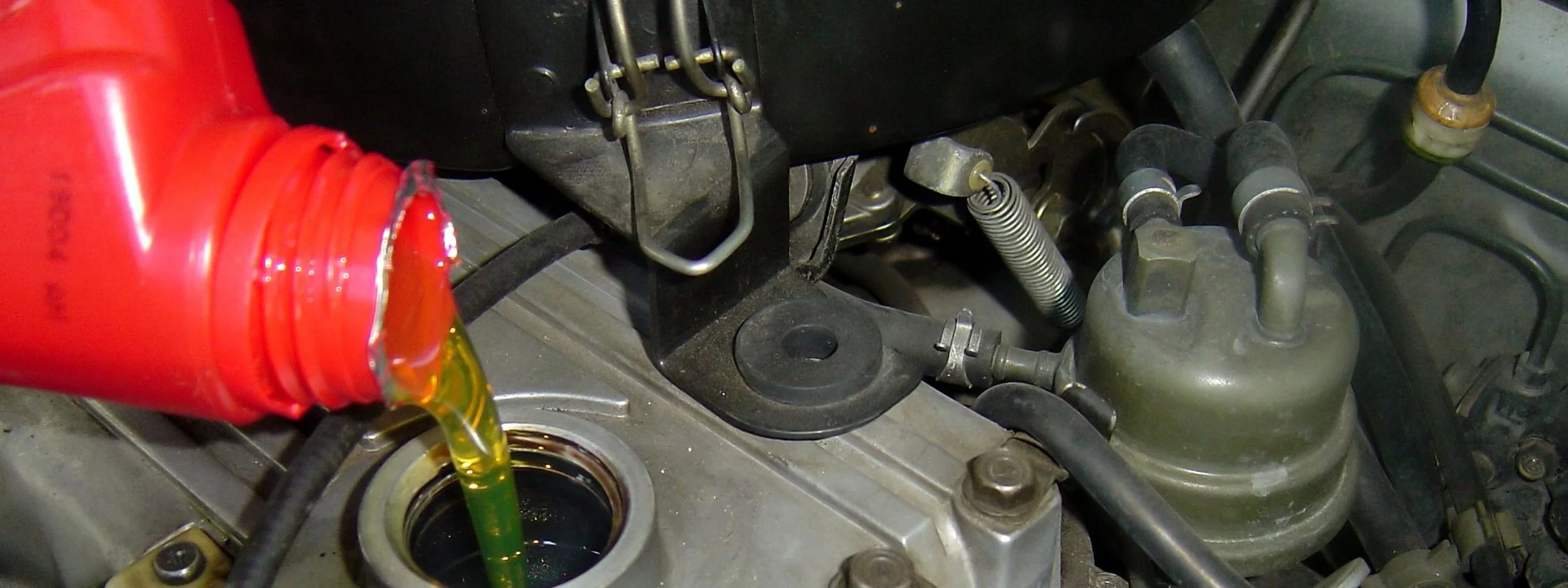
Oil & Filter Change
Protect Your Engine with a Professional Oil & Filter Change
Regular oil changes are one of the most important maintenance services you can perform for your vehicle. Engine oil lubricates moving components, helps control heat, reduces friction, and carries contaminants away from critical engine parts. As oil ages or becomes contaminated, it loses its ability to protect the engine.
At Waterside Auto Repair, we provide professional oil and filter change services for cars, SUVs, trucks, and most major makes and models. Our technicians use quality motor oil and replacement filters that meet your vehicle manufacturer's specifications. Whether your vehicle requires conventional, synthetic blend, or full synthetic oil, we'll help you choose the appropriate service based on your vehicle's requirements and driving conditions.
Oil change or maintenance light is illuminated
Engine oil appears dark or dirty
Engine sounds louder than usual
Signs You May Need a Oil & Filter Change
Ticking or knocking noises from the engine
Reduced fuel economy
Sluggish engine performance
Burning oil smell
Low oil level
Excessive exhaust smoke
It's been too long or too many miles since your last service
Important: Some vehicles can continue operating normally even when the oil is significantly degraded, so following the manufacturer's maintenance schedule is important.
Benefits of Regular Oil & Filter Changes
Routine oil maintenance helps keep your engine operating efficiently and protects critical internal components.
Benefits include:
✔ Better engine lubrication
✔ Reduced friction and wear
✔ Improved engine performance
✔ Cleaner engine oil
✔ Improved fuel efficiency
✔ Better temperature control
✔ Protection of internal engine components
✔ Longer engine life
✔ Reduced risk of expensive engine repairs
Related Auto Services
🏁
Related Auto Services 🏁
FAQ
-
Oil-change intervals vary by vehicle, oil type, driving conditions, and manufacturer recommendations. Many modern vehicles have intervals around 5,000–10,000 miles, but your owner's manual should be the primary reference.
-
It depends on your vehicle. Many newer vehicles require or recommend full synthetic oil, while some vehicles can use conventional or synthetic-blend oil. Our technicians can help you select the correct oil based on your manufacturer's specifications.
-
Old engine oil can become contaminated and lose its ability to properly lubricate and protect internal components. Over time, this can contribute to increased wear, overheating, sludge formation, and potentially serious engine damage.
-
Yes. Replacing the oil filter during an oil change helps ensure the fresh oil remains properly filtered and protects the engine from contaminants captured by the old filter.
-
Most oil and filter changes can be completed in approximately 30–60 minutes, depending on the vehicle and whether additional maintenance concerns are identified.
-
Maintaining the correct oil level and using the manufacturer-recommended oil can help your engine operate efficiently. However, fuel economy depends on many factors, including tire pressure, driving habits, vehicle condition, and maintenance.