
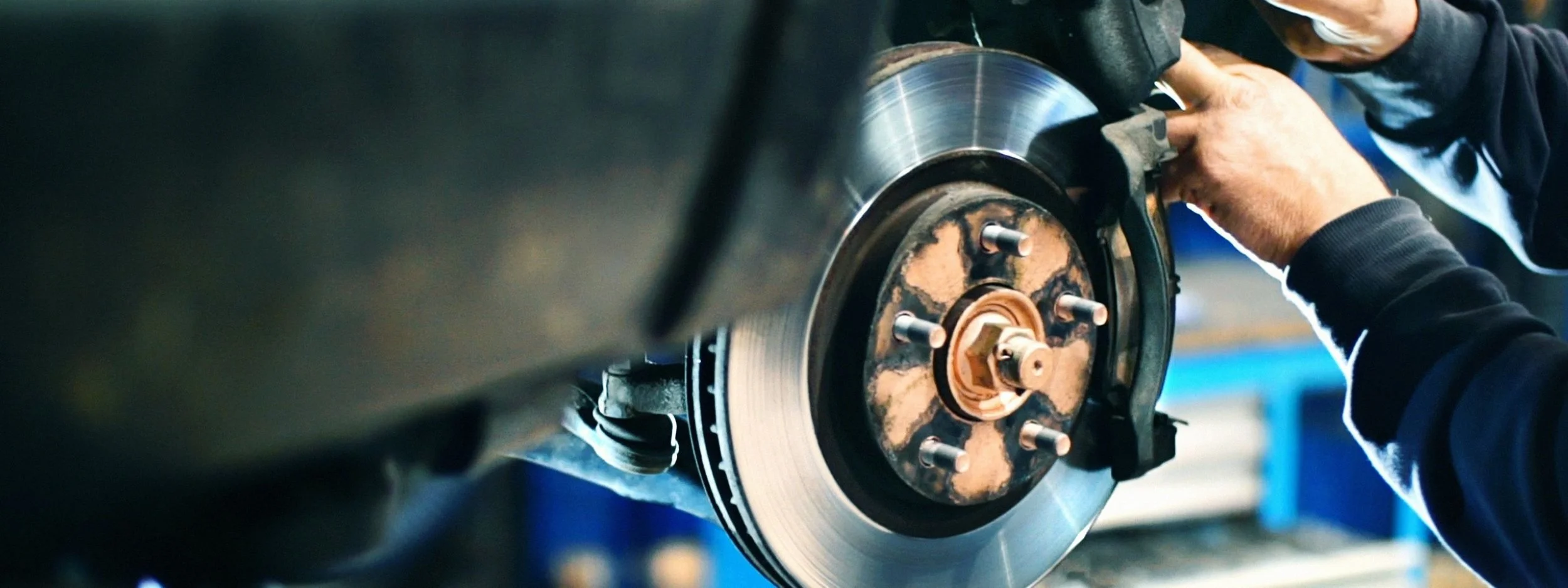
Brakes
Keep Your Vehicle Stopping Safely with Professional Brake Repair
Your vehicle's braking system is one of its most important safety systems. Brake pads, rotors, calipers, brake hardware, and other components work together every time you slow down or stop. Over time, normal wear can reduce braking performance and may create noises, vibrations, or longer stopping distances.
At Waterside Auto Repair, we provide professional brake inspection and repair services for cars, SUVs, and trucks. Our technicians evaluate the complete braking system to identify worn or damaged components before recommending repairs. Whether you hear squealing when braking, feel vibration through the steering wheel, or notice your vehicle takes longer to stop, we'll help you identify the cause and recommend the right brake service for your vehicle.
Signs You May Need Brake Repair
Vehicle pulls to one side when braking
Steering wheel vibrates during braking
Brake pedal pulsates
Brake warning light is illuminated
ABS warning light is illuminated
Squealing or squeaking when braking
Grinding or scraping noises
Longer stopping distances
Brake pedal feels soft or spongy
Brake pedal feels unusually hard
Burning smell after braking
Uneven brake pad wear
Visible damage to brake components
Vehicle feels unstable during braking
Important: When Brake Problems Need Immediate Attention. Grinding brakes, a soft brake pedal, a brake warning light, or a significant change in stopping performance should be inspected promptly. If you are experiencing a sudden or severe loss of braking ability, do not continue driving the vehicle. Have it inspected or transported safely to a qualified repair facility.
Our Brake Repair Process
1. Complete Brake Inspection
Our technicians inspect the braking system, including brake pads, Brake rotors, Brake calipers, Brake hardware, Brake hoses, Brake lines, Parking brake components, Brake fluid condition, and ABS-related components when applicable.

2. Brake Pad Inspection
We measure brake pad condition and look for excessive wear, Uneven wear, Cracking, Contamination, and abnormal contact patterns. Uneven pad wear can sometimes indicate another problem with the braking system.
3. Rotor Inspection
Inspect brake rotors for excessive wear, Grooves, Cracks, Heat damage, Corrosion, uneven surfaces, and excessive thickness variation. Depending on the condition and manufacturer specifications, rotors may need to be replaced rather than reused.
4. Caliper and Hardware Inspection
We inspect the calipers and associated hardware to identify issues such as: Sticking caliper components, Uneven pad movement, Damaged hardware, Corrosion, and fluid leakage.
A problem with a caliper can cause uneven braking and accelerated brake wear.
5. Brake Fluid and Hydraulic System Check
We inspect the brake fluid level and look for signs of leaks or other hydraulic-system concerns. If the brake fluid requires service, our separate [Brake Flush] service may be recommended.
6. Brake Repair or Component Replacement
Depending on the inspection, brake service may include: Brake pad replacement, Rotor replacement, Caliper replacement, Brake hardware replacement, Brake hose replacement, Brake line repair, and other brake-system repairs. We explain what needs to be replaced and why before performing additional work.
FAQ
-
Common signs include squealing, grinding, vibration, longer stopping distances, pulling while braking, or a brake warning light. A professional inspection can determine whether the pads, rotors, calipers, or another component needs service.
-
There is no universal replacement interval. Brake pad life depends on driving habits, traffic, vehicle weight, brake design, road conditions, and pad type.
The best approach is to inspect brake condition regularly rather than replace pads based solely on mileage.
-
Squealing can have several causes, including brake pad wear, brake dust, moisture, brake hardware, or normal characteristics of certain brake pad materials.
Inspect persistent or increasingly loud noise.
-
Grinding can indicate that brake components are severely worn or that metal parts are rubbing together. Don't ignore grinding, because continued driving can cause further damage.
-
Steering-wheel vibration during braking can result from rotor thickness variation, brake component issues, or other wheel and suspension problems. A complete inspection is necessary to identify the cause.
-
Pulling can result from uneven brake operation, a sticking caliper, uneven pad wear, tire problems, alignment issues, or suspension components.
-
Brake repair addresses worn or damaged components such as brake pads, rotors, calipers, hoses, and other braking-system components.
A Brake Flush involves replacing brake fluid. It is a separate maintenance service and has its own dedicated page.
-
It depends on the degree of wear, but driving with significantly worn brakes can compromise stopping performance and potentially damage other brake components.
If you hear grinding or notice a major change in braking performance, have the vehicle inspected promptly.
-
Not always. Rotor condition and manufacturer specifications determine whether they can remain in service. If rotors are excessively worn, damaged, cracked, or have excessive thickness variation, you may need to replace them.