
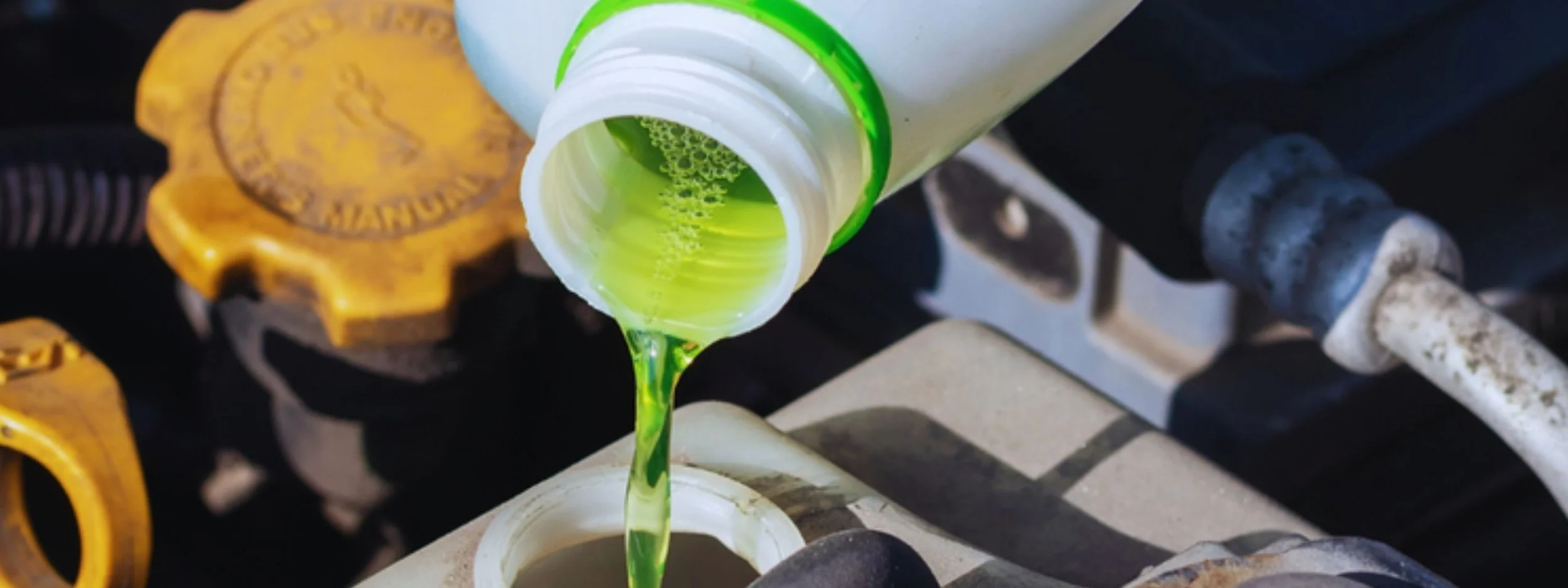
Radiator Flush
Professional Radiator Flush Service
Your vehicle's cooling system plays a critical role in maintaining proper engine temperature. Over time, coolant can become contaminated, lose its protective properties, and allow deposits or corrosion to develop inside the cooling system. A radiator flush removes old coolant and contaminants and replaces them with fresh coolant designed to protect your engine from overheating and corrosion.
At Waterside Auto Repair, we provide professional radiator flush and coolant service for cars, SUVs, and trucks. Our technicians inspect the cooling system, remove the old coolant, check for leaks and other concerns, and refill the system with the appropriate coolant according to your vehicle manufacturer's specifications. Regular cooling system maintenance can help protect your engine and prevent expensive overheating-related repairs.
Engine temperature running higher than normal
Temperature gauge fluctuating
Coolant that looks dirty, cloudy, or rusty
Low coolant level
Signs Your Vehicle May Need a Radiator Flush
Coolant warning light
Coolant leaks underneath the vehicle
Sweet smell coming from the engine compartment
Engine overheating
Poor heater performance
Visible deposits around the radiator or coolant reservoir
Coolant has not been changed according to the manufacturer's schedule
Important: Ignoring cooling-system problems can result in overheating and potentially severe engine damage.
Regular cooling-system maintenance can help:
✔ Maintain proper engine temperature
✔ Reduce the risk of overheating
✔ Protect against corrosion
✔ Remove contaminated coolant
✔ Protect cooling-system components
✔ Maintain proper coolant performance
✔ Extend the life of the cooling system
✔ Reduce the risk of expensive engine repairs
Benefits of a Radiator Flush
Related Auto Services
🏁
Related Auto Services 🏁
FAQ
-
A radiator flush is a cooling-system maintenance service that removes old coolant and contaminants and replaces them with fresh coolant that meets the vehicle manufacturer's specifications.
-
The recommended interval varies significantly by vehicle and coolant type. Some modern coolants are designed to last much longer than older coolant formulations. Always follow your manufacturer's maintenance schedule.
-
The terms are sometimes used interchangeably, but they can describe different levels of service. A coolant change may simply drain and replace the coolant, while a flush involves additional steps to remove contaminants and old coolant from the cooling system.
-
Old coolant can lose its ability to protect against corrosion and maintain proper cooling performance. Contaminated or degraded coolant may contribute to corrosion, deposits, leaks, and cooling-system problems.
-
Degraded coolant can contribute to cooling-system problems, but overheating can have many causes, including a failing thermostat, water pump, radiator, cooling fan, hose, or coolant leak. A complete inspection is necessary to identify the cause.
-
Coolant color varies by formulation and manufacturer. Color alone should not be used to determine whether coolant is compatible with your vehicle. The correct coolant specification should be confirmed before service.
-
An overheating vehicle should be diagnosed before performing routine maintenance. A flush may be appropriate in some situations, but overheating can indicate a mechanical problem that needs to be repaired first.