
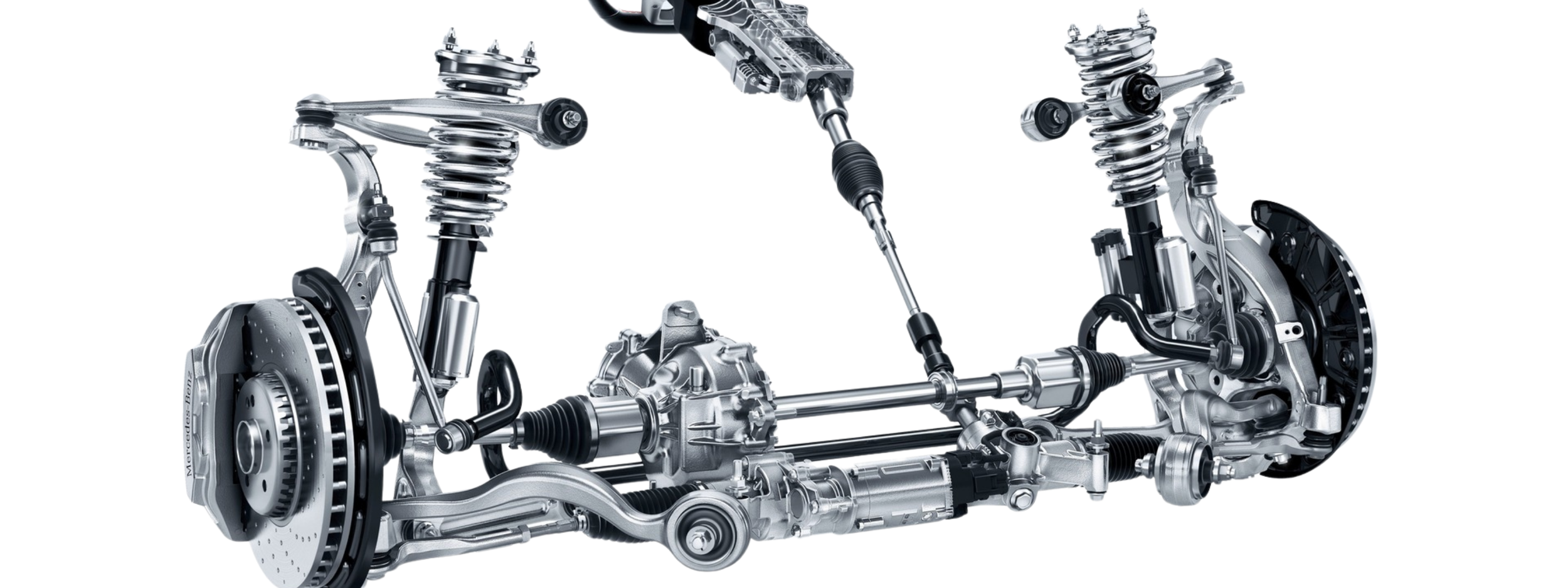
Steering System
Professional Steering System Service for Cars, SUVs, and Trucks
Your vehicle's steering system allows you to control direction safely and respond to changing road conditions. When steering components become worn, damaged, or develop a fluid or electrical problem, you may notice a steering wheel that feels loose, stiff, difficult to turn, or unusually noisy. Steering problems can also affect how the vehicle tracks on the road and should not be ignored.
At Waterside Auto Repair, we provide professional steering system inspection, diagnostics, maintenance, and repair for cars, SUVs, and trucks. Our technicians evaluate the steering system and related components to identify the problem before recommending repairs. Whether you're experiencing difficulty turning, steering-wheel vibration, unusual noises, or a change in handling, we'll help you determine the cause and explain the best repair options.
Signs Your Vehicle May Need Steering Repair
Steering wheel feels loose
Steering feels stiff or difficult to turn
Steering wheel shakes or vibrates
Vehicle wanders or drifts
Vehicle does not track straight
Steering wheel does not return normally after a turn
Squealing or whining when turning
Clunking or knocking while steering
Grinding or unusual steering noises
Power steering fluid leak
Low power steering fluid
Steering wheel feels unusually heavy
Uneven steering response
Excessive play in the steering wheel
Steering warning light
Change in steering behavior
Don't Ignore Steering Problems: Steering directly affects your ability to control the vehicle. A change in steering feel, unusual noise, fluid leak, or excessive play should be inspected before the problem becomes more serious. If steering suddenly becomes extremely difficult or you lose normal steering control, stop driving when it is safe to do so and have the vehicle inspected.
Benefits of Professional Steering Service
Proper steering-system maintenance can help:
✔ Maintain predictable steering response
✔ Improve vehicle control
✔ Identify worn components early
✔ Address steering fluid leaks
✔ Reduce excessive steering play
✔ Maintain proper handling
✔ Support proper wheel alignment
✔ Improve driving confidence
✔ Reduce the risk of unexpected steering problems
Related Auto Services
🏁
Related Auto Services 🏁
FAQ
-
The steering system allows the driver to control the direction of the vehicle. Depending on the vehicle, it may include a steering wheel and column, steering rack or gear, tie rods, steering joints, and hydraulic or electric power-assist components.
-
Common signs include a loose steering wheel, difficulty turning, unusual noises, vibration, excessive play, fluid leaks, wandering, drifting, or changes in steering response.
-
Hard steering can be caused by problems with the power steering system, low or leaking fluid in hydraulic systems, steering components, suspension components, tires, or other issues.
Modern vehicles with electric power steering can also develop electronic or motor-related problems.
-
Pulling can have several causes, including wheel alignment, tire issues, steering components, suspension wear, road conditions, or braking problems.
An inspection can determine the likely cause.
-
A whining noise while turning may be associated with a hydraulic power steering system, particularly if fluid is low or the pump or another component has a problem.
Other components can also produce similar noises, so diagnosis is important.
-
Yes, for vehicles equipped with hydraulic power steering. Low fluid can make steering more difficult and may indicate a leak or another problem.
Not all modern vehicles use hydraulic power steering.
-
No. Some vehicles use hydraulic power steering, while others use electric power steering and do not use traditional power steering fluid.
-
Yes. Steering and suspension components work closely together. Worn ball joints, control arms, bushings, tie rods, and other front-end components can affect steering feel and vehicle stability.
-
A wheel alignment problem can cause pulling, drifting, uneven tire wear, and an off-center steering wheel.
However, alignment should not be used to compensate for worn or damaged steering components.